
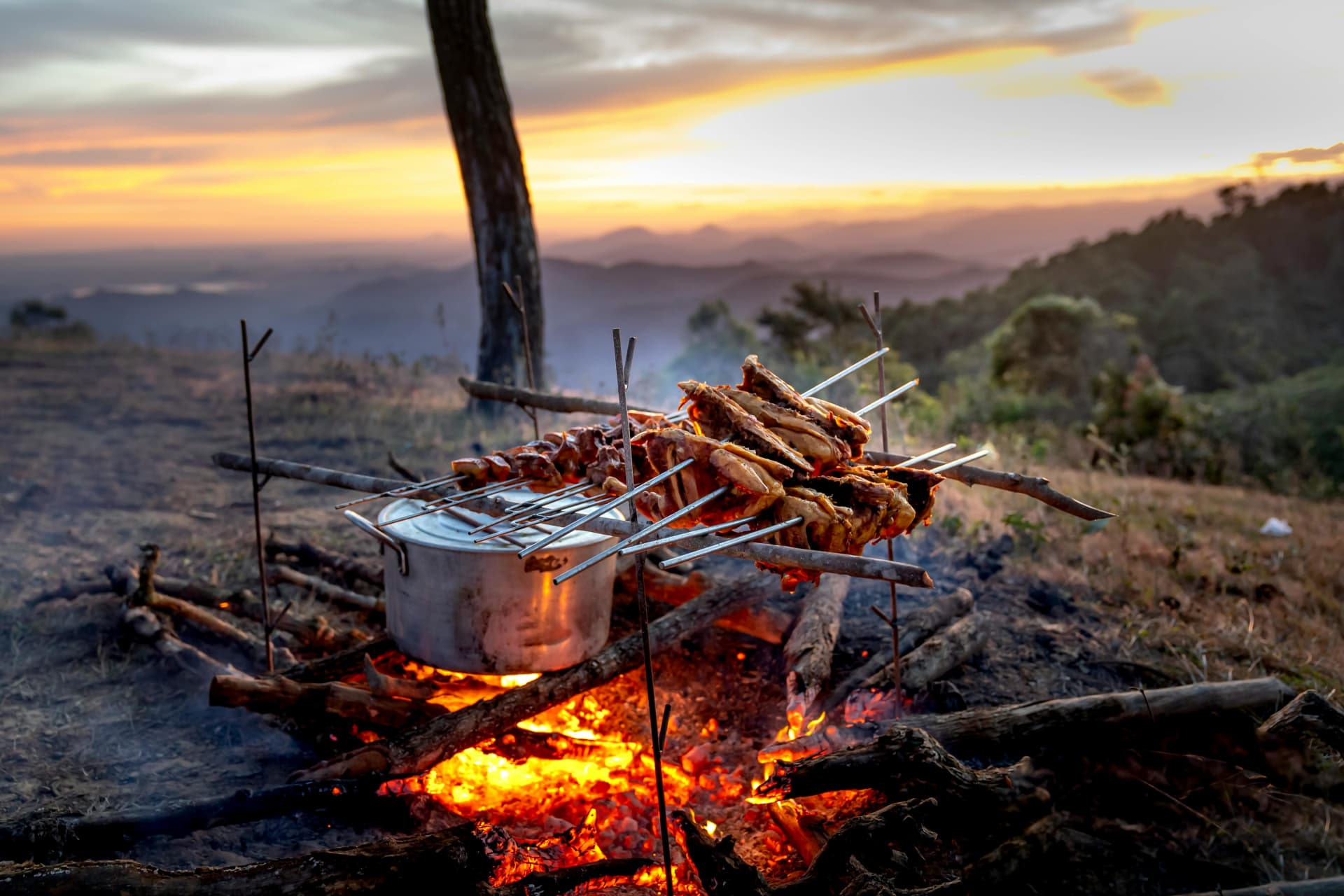

Planning Your Menu: The Art of Trailside Cooking
Planning your meals ahead of time ensures efficiency, proper nutrition, and less stress during your trip. It allows you to pack smart, reduce weight, and guarantee that every meal serves a purpose—fueling your adventure.
The "Why": Why Planning Matters
A thoughtful meal plan reduces unnecessary weight and ensures you meet your calorie needs. It also saves time on the trail and helps you stay focused on enjoying your surroundings.
Lightweight and Non-Perishable Ingredients
Choosing durable, lightweight ingredients is key to successful trail cooking.
- Grains: Quick-cooking and efficient energy sources
- Protein: Lightweight, high-energy options for recovery
- Fats: Dense calorie sources for sustained energy
- Spices: Small additions that greatly enhance flavor
The One-Pot Meal Philosophy
One-pot meals simplify cooking and cleanup, making them ideal for outdoor conditions. They save fuel, reduce gear needs, and streamline your routine.
Dehydrated and Freeze-Dried Options
These meals are lightweight, long-lasting, and easy to prepare. Homemade dehydration allows for customization and cost savings.
No-Cook Alternatives
Perfect for quick meals or when cooking isn’t possible:
- Tortilla Wraps
- Bagels & Hard Cheeses
- Granola & Powdered Milk
Trail Snacks
Snacks keep your energy stable throughout the day:
- Trail Mix
- Energy Bars
- Jerky
A Word of Caution on Foraging
Foraging can be risky without expertise. Always prioritize safety and stick to known food sources.
Essential Kitchen Gear for the Road
Minimal, multi-functional gear is the foundation of efficient trail cooking. The goal is to carry less while still being fully equipped.
Camp Stove and Fuel
- Canister Stoves: Lightweight and convenient
- Liquid-Fuel Stoves: Reliable in cold conditions
- Fuel Planning: Always bring extra
Multi-Use Utensils
- Spork
- Multi-tool
- Mug
Cooler (Short Trips)
Allows fresh food for short adventures with proper temperature management.
Water Filtration
- Portable Filters
- Purification Tablets
Recipes for the Trail
Simple, pre-prepared meals make cooking easy and enjoyable outdoors.
Breakfasts
- Elevated Oatmeal
- Trailside Scramble
Lunches
- Trail Wraps
- Charcuterie Snacks
Dinners
- Backpacker’s Pasta
- Couscous Bowl
- Spicy Ramen
Tips for Food Safety and Storage
Proper storage protects both you and the environment. It prevents contamination and keeps wildlife safe.
Key Practices
- Keep Critters Away
- Leave No Trace
- Use Bear Canisters or Bags
Storage by Food Type
- Dehydrated Meals: Keep sealed
- Hard Cheese & Meats: Wrap breathable
- Nuts & Fruits: Airtight storage
- Fresh Produce: Protect from damage
- Foil Packets: Store separately
Conclusion
Trailside cooking transforms your adventure into a richer, more memorable experience. With preparation and creativity, every meal becomes part of the journey.


